interview
Henry Selick on why Coraline's replacement-face seams were painted out digitally
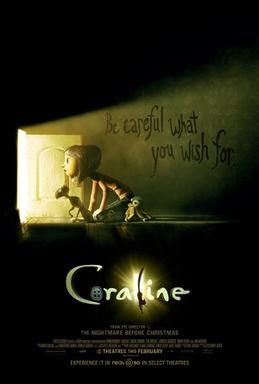
In a Sight and Sound interview by Alex Dudok de Wit, Coraline director Henry Selick describes developing replacement-face animation on commercials work (the Pillsbury Doughboy) and choosing when to use it per character rather than as a blanket house style. He says he originally wanted Coraline's replacement-face seams left visible, arguing a stop-motion puppet should still read as touched by a real person; the film's backing was uncomfortable with the visible seams, so they were painted out digitally instead -- a call Selick has since described as an unnecessary expense.
The account is a rare director's-eye rationale for a choice usually described only in mechanical terms (which parts are swapped, how faces register). Folded into the Wiki's replacement animation page as a worked example tied to Coraline.
▶ Video
Coraline — Puppet Breaker: Behind the Scenes of Coraline | LAIKA Studios Plays on YouTube Open in Watch player Creator / source
Every view stays on the authorized channel and supports the makers.
Films & works (1)
People
Studios
Sources
Listed so you can verify every claim. BFI Sight and Sound
Suggest an edit
See something wrong or missing in this story? Edit the fields below or describe the correction in your own words. Everything is optional, and every change is reviewed against a source before publishing.